Something to build — and hands that have shipped it before.
A client looking for full-stack work asks four things: did it ship, does it run on every screen, who built the hard parts, and what happens after launch. The answer is below in products that are live — a deli chain's five apps on one backend, an AI operations platform running in stores, a Qur'an storybook with payments — and in how a build runs: one call, a fixed price, a demo every week, and code that is yours from the first commit.
One build at a time, so every project gets the same hands — and every enquiry gets a personal reply.

Build. Review. Teach. Speak.
For the ummah or for your business — the same hands, the same standard, a written scope before anything starts.
Build
A product end-to-end: web, iOS, Android, the backend under it, payments, integrations, AI where it earns its place. Designed, built, submitted and launched by one pair of hands — then handed over documented.
Review
A read of what you already have — code, architecture, data model, security, App Store readiness — and a written roadmap any team can act on. For a product that stalled, a rewrite you are weighing, or a build you inherited.
Who checked this?
A scholarly review of Qur'anic content — verses, translation, tafsir references, and how it is framed for a child — by a physician and Al-Azhar scholar with ijāzah. Corrections, sources and a sign-off you can print in your app.
Teach & speak
The Academy for your weekend school's families, the teacher-training workshop, and the keynote Completing the puzzle of Islamic education — the front door to all of it.
One call. One page. Then a demo every week.
Three shapes, every one in writing.
- Code, architecture and data-model read
- Security and App Store readiness
- A written roadmap with priorities and costs
- A call to walk through it with your team
- Fixed scope and fixed price, in a one-page brief
- Weekly demos and a staging link from week one
- Payments, realtime, integrations and AI as the product needs
- Submission, launch, documentation and handover
- A support window after launch
- A set number of days each month
- Features, integrations, store updates
- Monitoring and on-call for the unexpected
- Cancel with a month's notice
Every price is fixed and quoted after the discovery call, in writing. Milestone payments, a written agreement, an NDA on request. Masjid and not-for-profit projects: ask.
What “shipped” looks like.
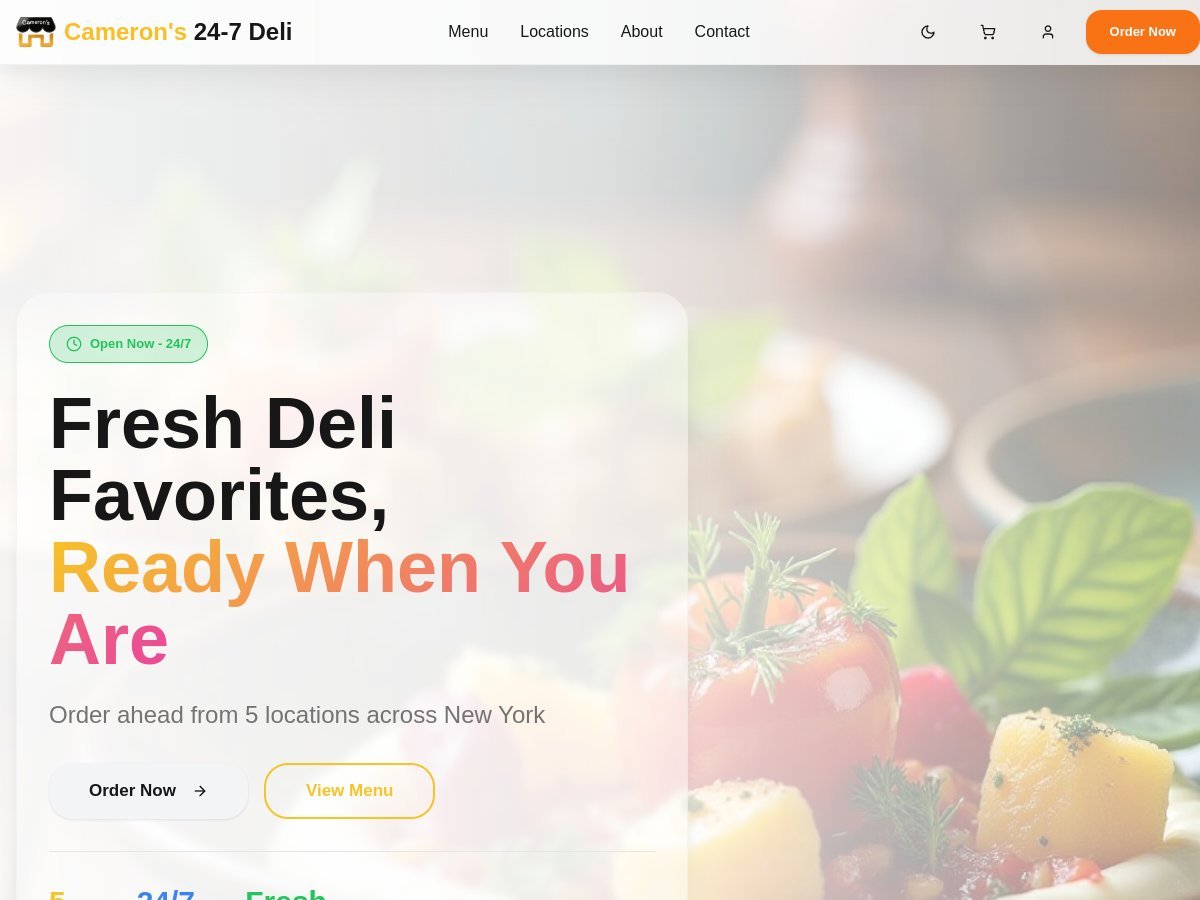
Five products, one backend
The brief: a deli chain wanted order-ahead its customers would actually use, on every screen, with staff and owners seeing the same orders. Built: the website, a staff dashboard, the iOS customer app, a business app and Android — React, SwiftUI and Jetpack Compose on one self-hosted Supabase backend with row-level security and edge functions. Result: live on the App Store; real-time order tracking, portion-level customisation, favourites and pickup at any location.
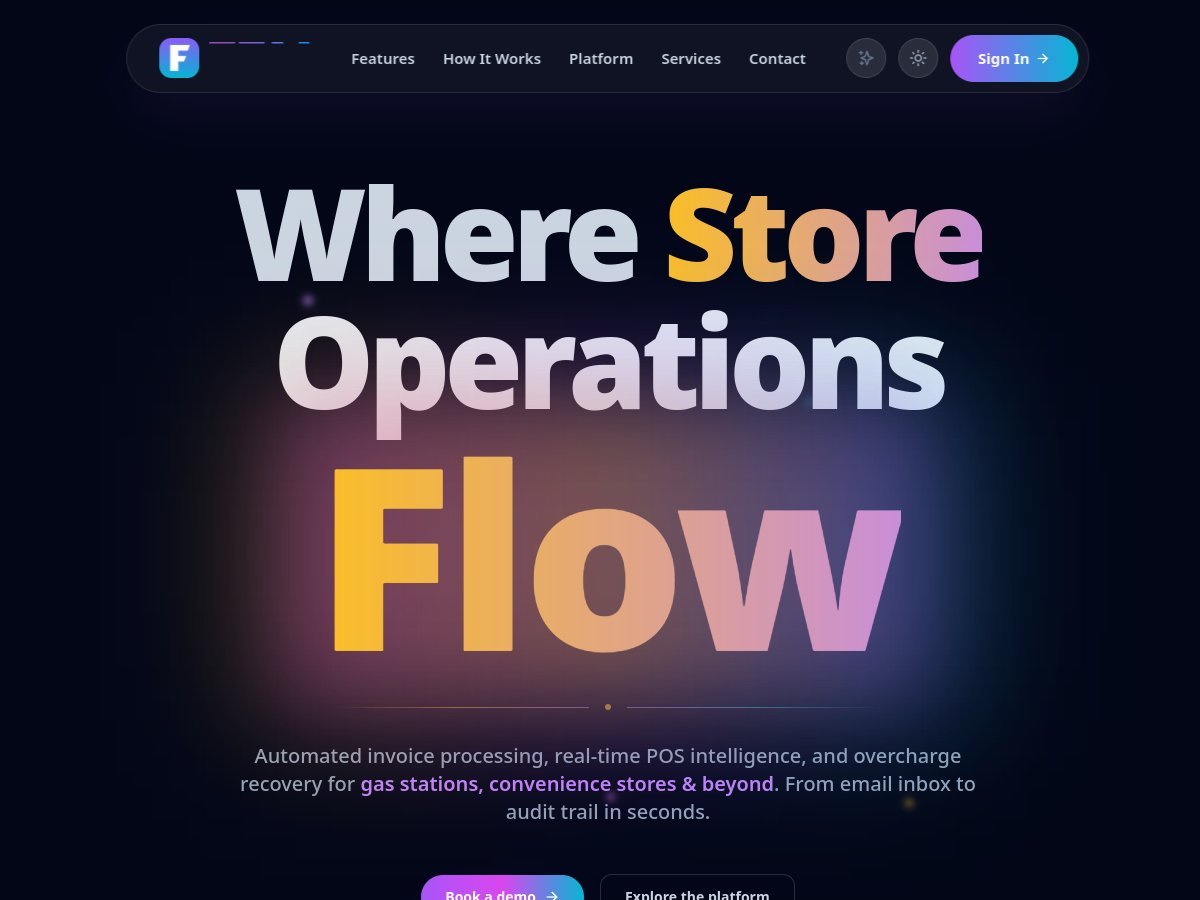
Operations that flow
The brief: stations drowning in paper invoices, price changes and reconciliation across locations. Built: an enterprise platform with AI invoice processing, a live Verifone Commander POS dashboard, overcharge recovery against price notices and contracts, wholesale distribution with EFT settlement matching, deposit verification and bank reconciliation, n8n workflows. Result: invoices processed in under three seconds; thirty-plus analytics views across every station.
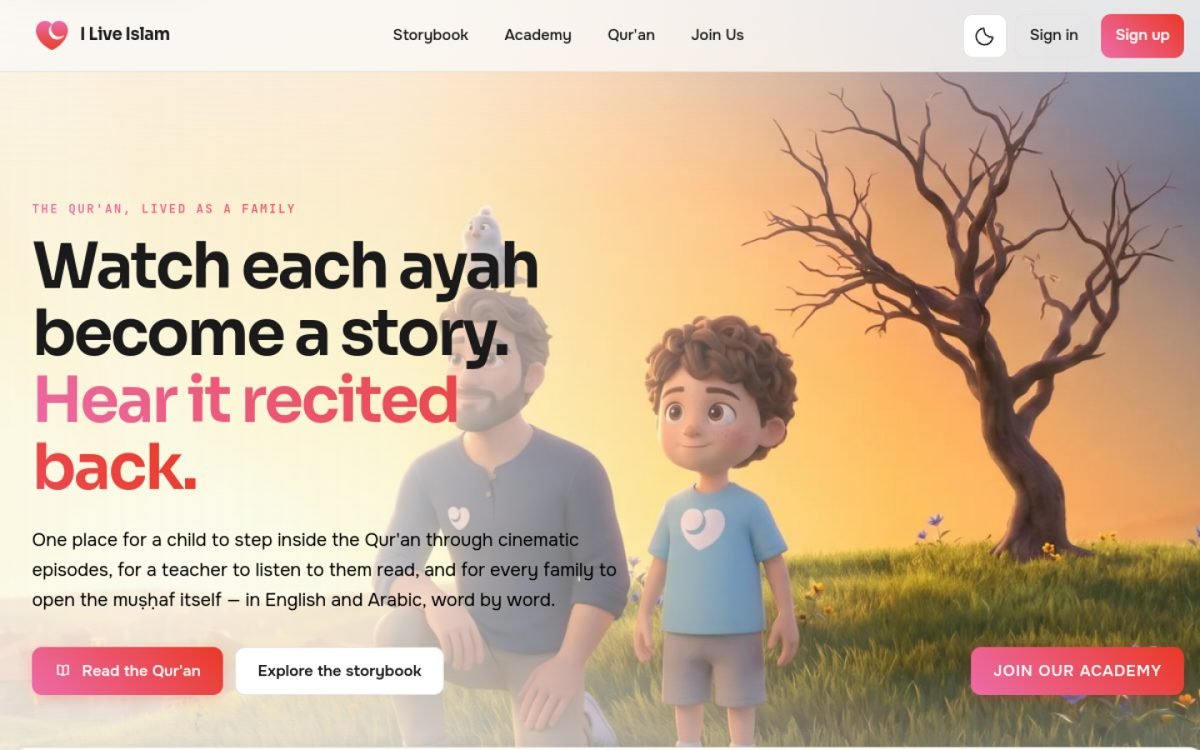
Three products behind one login
The brief: a Qur'an storybook, a muṣḥaf that reads aloud and a live academy — one account, one subscription, for a family. Built: Next.js 16 and React 19 on self-hosted Supabase; Stripe memberships and family plans; a 604-page muṣḥaf with tajwīd colouring and per-āyah audio; cinematic episodes with word-level highlighting in English and Arabic. Result: live, with the muṣḥaf free and three free classes for every family.
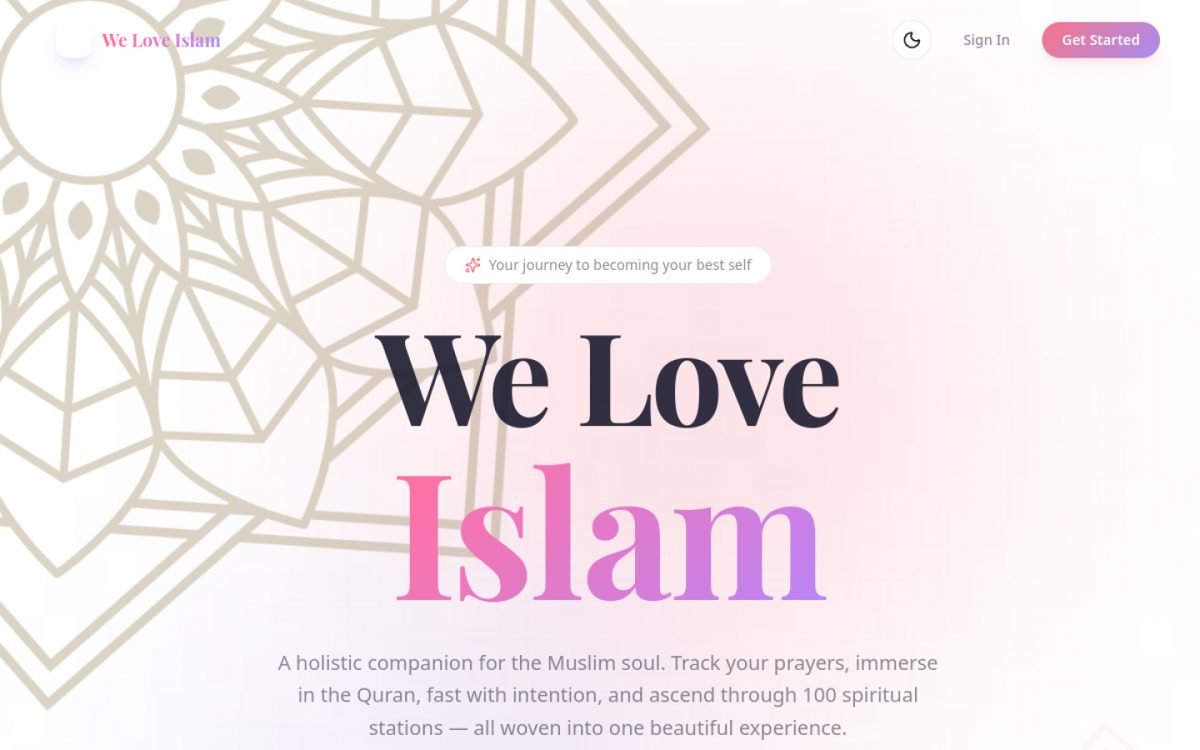
One database, two apps
The brief: a companion for prayer, Qur'an, fasting and a hundred spiritual stations that works on the web and natively on iPhone without two sets of data. Built: the web app and the SwiftUI app on one shared backend; HealthKit; offline-first sync; badges, streaks and leaderboards; private by design. Result: live on the web, free; the iOS app on its way to the App Store.
Yours from the first commit. Secure by design.
You own everything
Repositories, App Store and Play accounts, domains, the backend and the data are opened in your name from day one. If we ever part ways, nothing has to be migrated — it was always yours.
One backend, walled per client
A self-hosted Supabase instance per product: Postgres with row-level security, edge functions, and no shared infrastructure between clients. Payments through Stripe; secrets never in the code.
Nothing hidden
A staging link from week one, a demo every week, documentation written as we go, and a handover any developer can pick up. A written agreement before the first line; an NDA whenever you ask.
Chosen for what ships, not for what is fashionable.
Every tool below is one that has carried a live product in the list above — nothing is on this page that has not been to the App Store or run a store's day. Native where the phone matters, one backend under everything, automation where a person was doing a machine's job.
Working with your existing team or agency is welcome: an architecture and a review, then the parts they would rather not build.
A scholarly review for Islamic products.
The next question every parent will ask an app, a publisher or a school is who checked this. Answer it before they ask: every verse, translation and tafsir reference read against the sources by a physician and Al-Azhar scholar with ijāzah — and the psychology of how it is framed for a child read by the same eyes.
- A content library, a curriculum or a manuscript — read line by line against the Qur'an, the Sunnah and the scholars
- Corrections with sources, a written report, and a sign-off line you may print in the product
- A second read of the child-facing framing — what a nine-year-old will hear, and what will stay
The author of a tafsir and a translation, reading yours.
Behind the review sit a five-volume tafsir, a bracketed translation of every verse, and a storybook that turns each āyah into a scene for children — built and shipped. The review reads your work the way those were written: source first, then the heart, then the child.
Completing the puzzle of Islamic education
Fifty minutes for your board, masjid or school — why weekend schools are checkpoints, why full-time schools are exhausted, why the world moved online, and what it takes to complete them rather than compete with them. A twenty-minute version fits a board meeting.
- The keynoteYour board and teachers, one room, the whole argument.
- The teacher workshopSelection, interview and demo lesson; cultural and psychological training — the standard the Academy hires by.
- The Academy, for your familiesLive one-to-one Qur'an classes for your weekend school's students, three free for every family, per-session pricing on one page.
A weekend school that never runs out of teachers.
Every weekend school has the same two shortages: hours and teachers who listen. The Academy adds both without adding a building — a live teacher for every child between Sundays, held to one standard, reporting back to you.
- One price per session, on one page — no quote dance
- Three free classes for every family before anyone pays
- Teachers selected by interview and demo lesson, trained for the American classroom
- Progress your directors can see; parents in the loop
- Complete, not compete — the school stays the school
What clients ask first.
Short answers here; the long ones on the call.
Start a projectWhat does a build cost, and how long does it take?
Most builds land between six and fourteen weeks and are priced as a fixed scope after the discovery call. One platform is faster than three; payments, realtime and integrations add weeks, not months. The brief tells you the number before anything begins.
Who owns the code?
You do, from the first commit. Repositories, store accounts, domains, backend and data are created in your name. There is no lock-in to leave.
Can you take over an existing app or codebase?
Yes — that is what the review is for. One to two weeks to read it and write the roadmap; then a build or a retainer, or a handover to your own team with the roadmap in hand.
Do you work with agencies and in-house teams?
Yes. Architecture, the backend, the native apps, or the integration nobody wants — scoped as a piece of your project, on your tools.
Web, iOS and Android — all three?
All three, natively: Next.js and React on the web, SwiftUI on iOS, Kotlin and Jetpack Compose on Android, one backend under them. Cameron's runs exactly this.
Where are you based, and do you work remotely?
New York, and remotely everywhere. Weekly demos happen on a call; launches happen wherever your customers are.
What happens after launch?
A support window is included in every build. After it, a retainer with a set number of days a month, or nothing at all — the documentation and handover are written so any developer can continue.
Is this only for Islamic products?
No. FuelFlow AI and Cameron's are businesses; I Live Islam and We Love Islam are for the ummah. The same standard, the same hands — and a rate for masājid and not-for-profits.